
Masonite siding was one of the most popular siding choices in America. Then it started to rot, the lawsuits came, and in 2001 Masonite stopped making it for good. That left a huge number of homeowners with siding they can’t buy, can’t match, and aren’t sure what to do with.
No, you can’t buy new Masonite siding anymore. Masonite Corporation announced on March 6, 2001 that it was phasing out all of its hardboard siding. If yours is failing, your real options are a section repair with a close-looking product like Hardie, or replacing it with a better material.
Keep reading to learn how to identify the common types of Masonite siding, whether it can be repaired, what replacement costs, the five best replacement options, and how to make the siding you have last as long as possible.

Last Updated 10/31/2026 | Siding
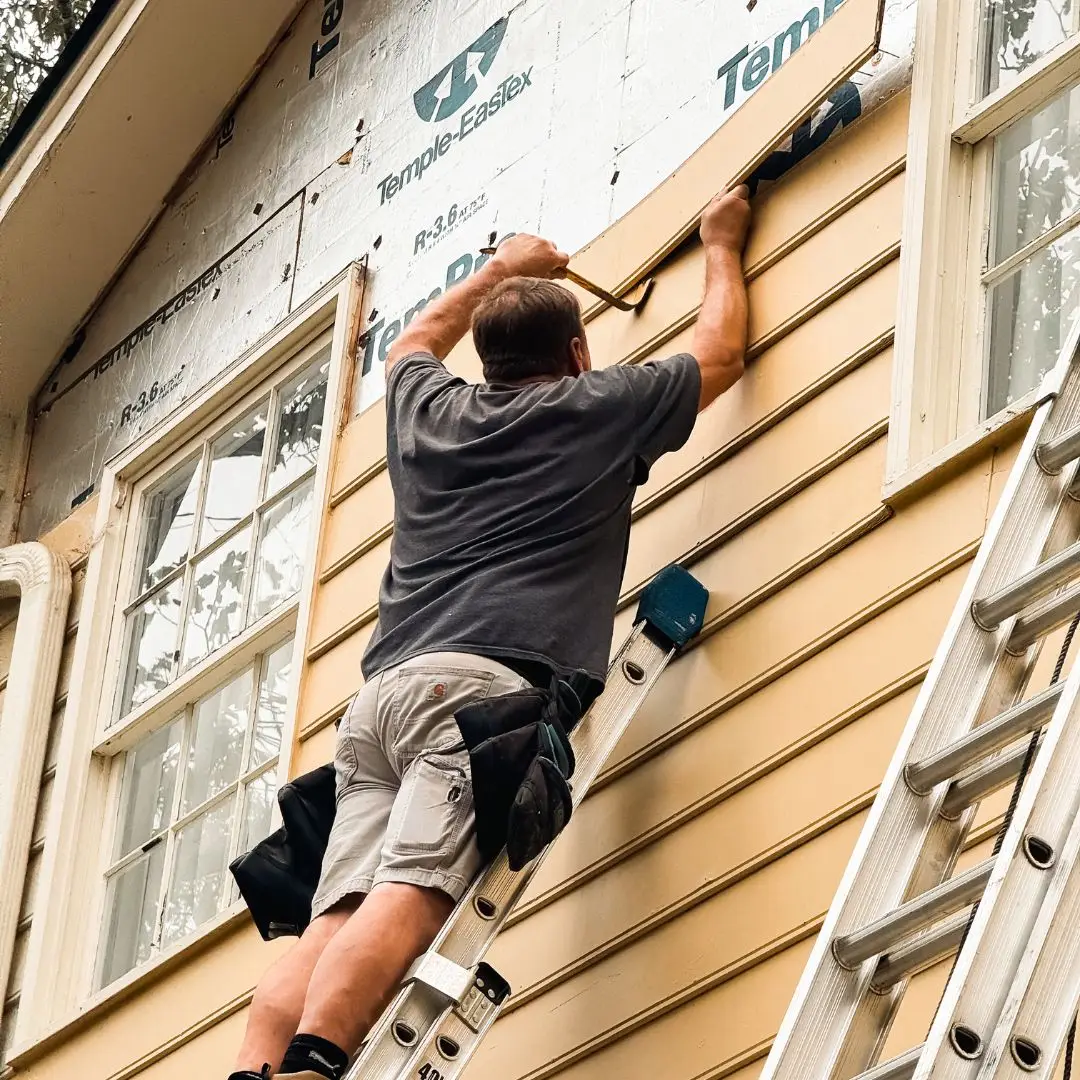
By understanding the risks of Masonite siding and knowing your options, you can make an informed decision about whether to maintain it for now, repair it even though patches won’t look professionally repaired, or replace it with a superior product and finally put all this behind you.
Masonite siding is a hardboard siding made from wood fibers and resin pressed together under heat and pressure. Hardboard, or “Masonite” as most people call it, was developed as an alternative to real wood or vinyl siding. Masonite was one of many companies that made hardboard siding, but the name stuck, so today almost any hardboard siding gets called Masonite. You’ll also hear it called pressboard or composite siding.
It looked more like natural wood than vinyl, and it was “supposed” to be lower maintenance and last longer. Time showed it wasn’t living up to the hype.
As I like to say, Masonite was a wonder product. Cheap and easy to install, that’s what caught builders’ attention, and they started installing it everywhere through the 1980s and 1990s. Fast forward to the present, and the headaches have added up.
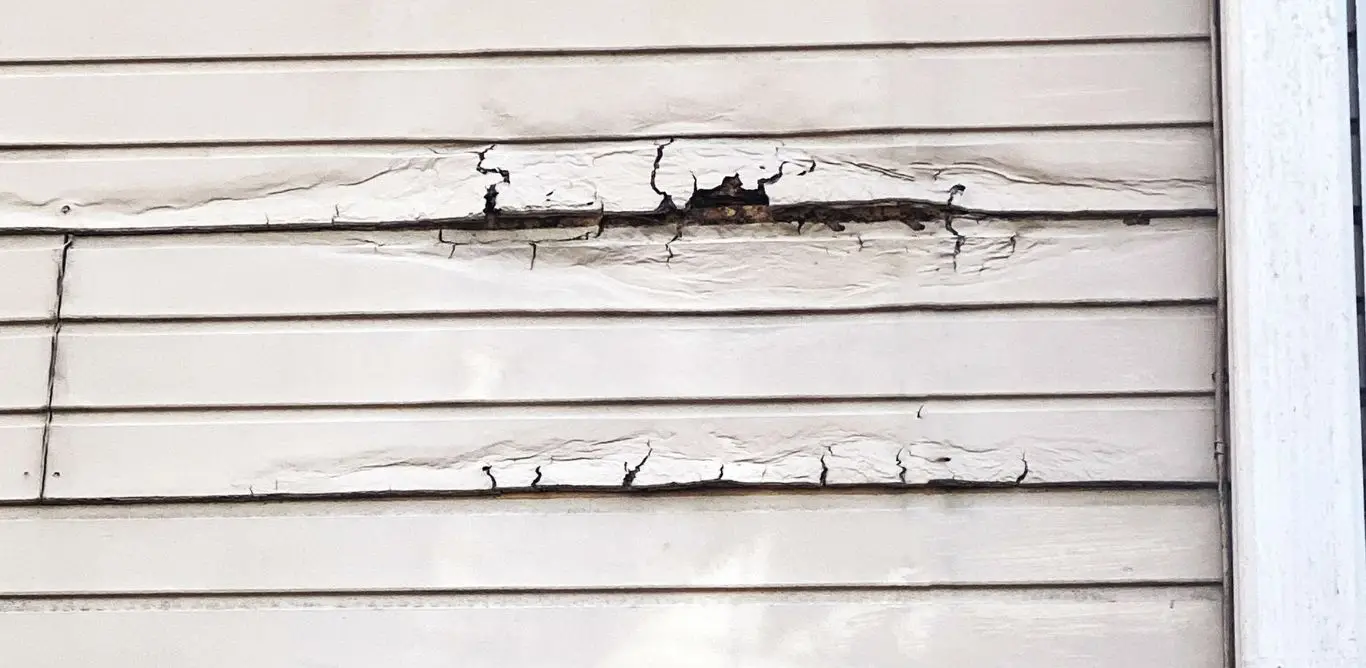
Masonite siding was discontinued because it failed too often and the market for it collapsed. Homeowners saw their siding swell, buckle, grow mold and rot once water got past the paint. The problem was so widespread that it led to a national class action and, eventually, the end of production.
| Year | What happened |
|---|---|
| 1924 | William H. Mason develops the hardboard process behind Masonite |
| 1980–1998 | Masonite hardboard siding goes on millions of US homes |
| 1996 | A jury trial in Alabama finds the siding defective |
| 1998 | Class-action settlement approved for siding installed Jan 1, 1980 to Jan 15, 1998 (an estimated 4 million homeowners) |
| March 6, 2001 | Masonite announces it will phase out all hardboard siding, including ColorLok, Woodsman, SuperSide and HiddenRidge |
| 2008 | Settlement claims program ends |
Sources: Lieff Cabraser (class counsel), Masonite press release, March 6, 2001.
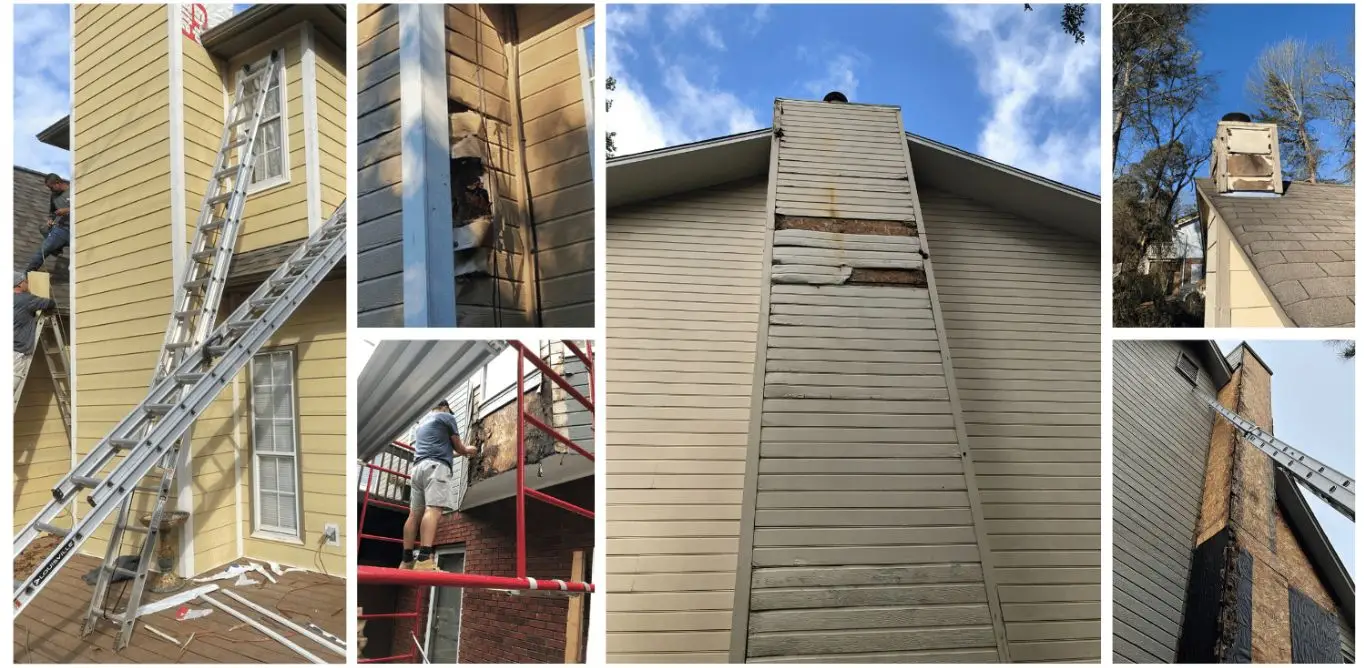
No. The class action covered Masonite hardboard siding installed between January 1, 1980 and January 15, 1998, and the claims program ran through 2008. It’s closed now. If your siding is failing today, the cost of repair or replacement is on you, which is why it pays to act before rot spreads into the sheathing and framing behind it.
The hard truth is that Masonite siding is totally discontinued. It hasn’t been sold for years and the old stock is gone.
You may see boards labeled “hardboard” or “12-inch lap siding” at Home Depot, Lowe’s, Menards or a local lumberyard. Those are different products, and they rarely match the thickness, texture or lap profile already on your house. Salvaged boards show up on Facebook Marketplace and Craigslist, but old hardboard has often soaked up moisture already, so you’d be patching rot with more rot.
If you think you have Masonite siding but aren’t quite sure, start with two quick tests:
Then use this guide to figure out what it’s called:
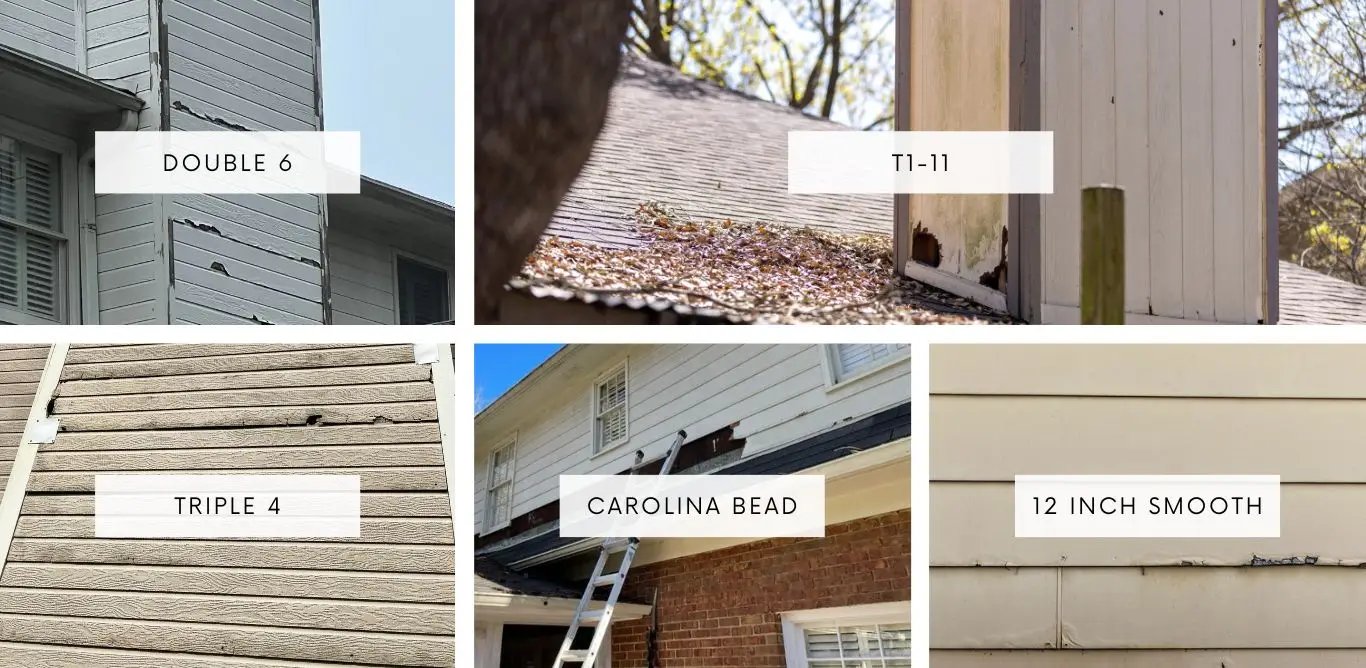
Triple Four Masonite is identified by measuring how many laps are in each 12-inch section. It has three laps, each four inches wide, and that’s where the name comes from: three 4-inch laps per piece.
Double Six uses the same idea. Measure how many laps are in 12 inches: this siding has two 6-inch laps per piece.
Smooth Masonite can look a lot like Hardie siding, so it can be hard to identify. Use the pocketknife and bubbling-paint tests above. On a side note, the fact that Hardie lap siding looks so much like smooth Masonite makes Hardie a great repair option.
Carolina Bead Masonite looks smooth and has a small bead at the bottom of the lap. Each lap is around 7¼ inches wide.
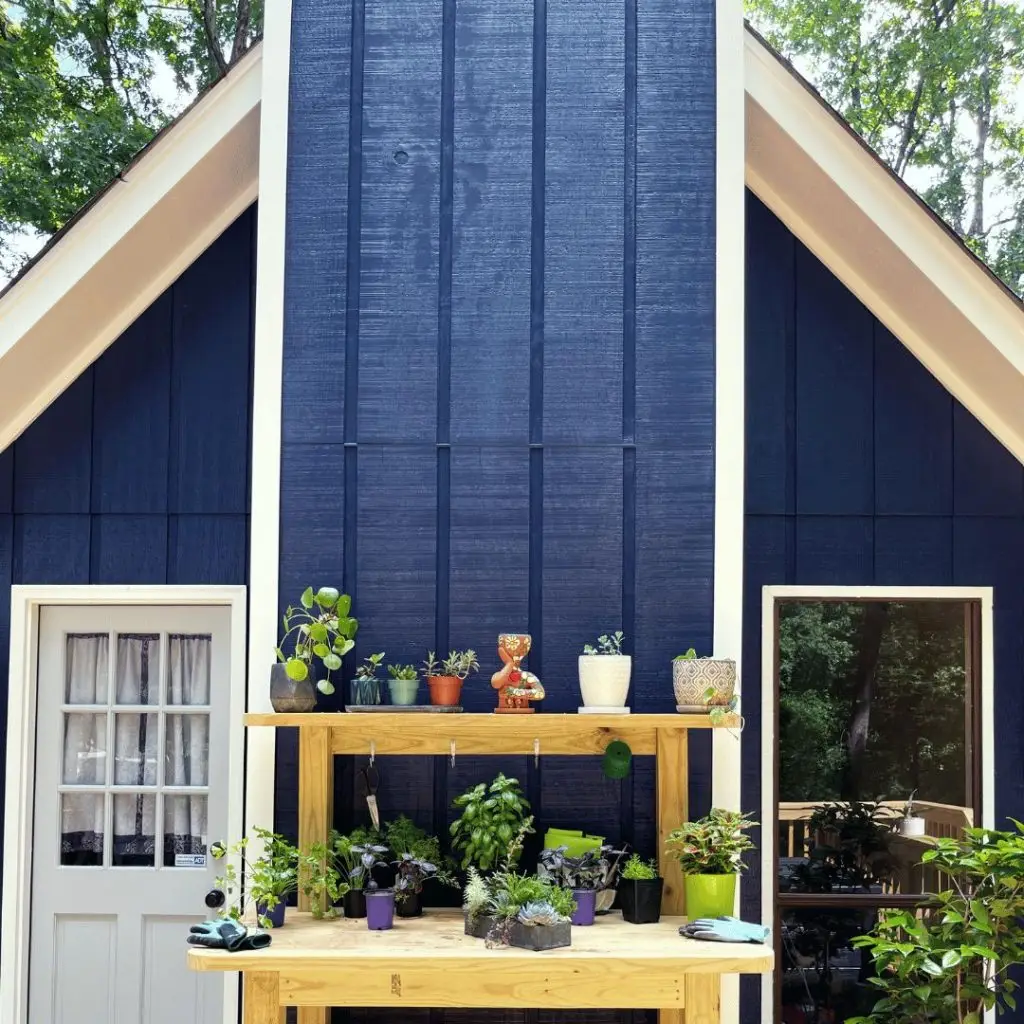
T1-11 Masonite looks like traditional plywood panels with vertical grooves, installed in large 4′ x 8′ sheets. If you have this type, you’re in luck: T1-11 plywood siding is still made and looks like a reasonable match when a repair is made.
These were factory-finished hardboard lap sidings sold under brand names. They fail the same way and are replaced the same way as other Masonite lap siding.
| Type | How to recognize it | Best match today |
|---|---|---|
| Triple Four | Three 4″ laps per 12″ board | Replace the wall with Hardie or LP lap |
| Double Six | Two 6″ laps per 12″ board | Replace the wall with Hardie or LP lap |
| 12″ Smooth | Smooth wide lap, looks like Hardie | Hardie smooth lap (easiest section repair) |
| Carolina Bead | Smooth lap with a bead, about 7¼” | Beaded Hardie or LP lap |
| T1-11 style panels | 4×8 sheets with vertical grooves | T1-11 plywood |
| ColorLok / X-90 | Factory-finished lap | Hardie or LP lap |
Yes, but only in small areas, and only after you stop the water. Fixing hardboard siding the right way is super important. Doing it wrong can cause bigger problems and cost a lot more than having a professional siding repair contractor do it.
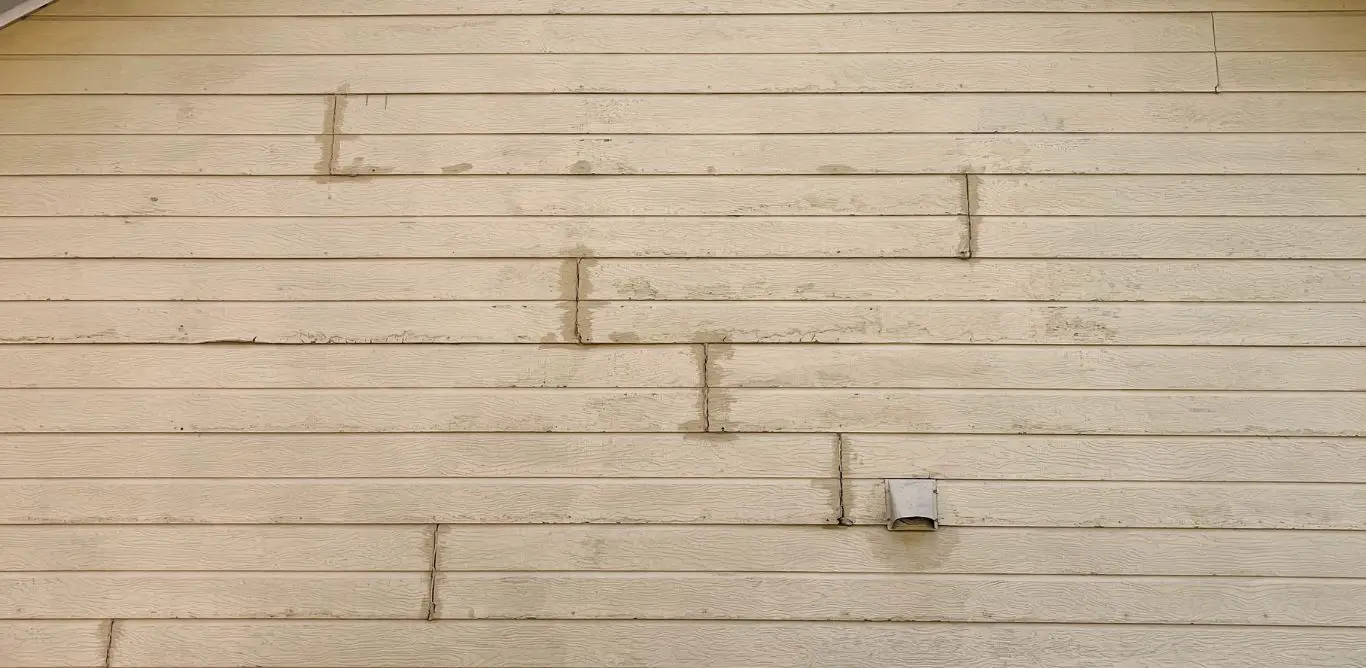
While there isn’t always a one-for-one replacement, here are the strategies that work:
We’re the siding repair experts in Birmingham, AL. Get a fast and easy quote for your siding repair today: call 205-858-1658.
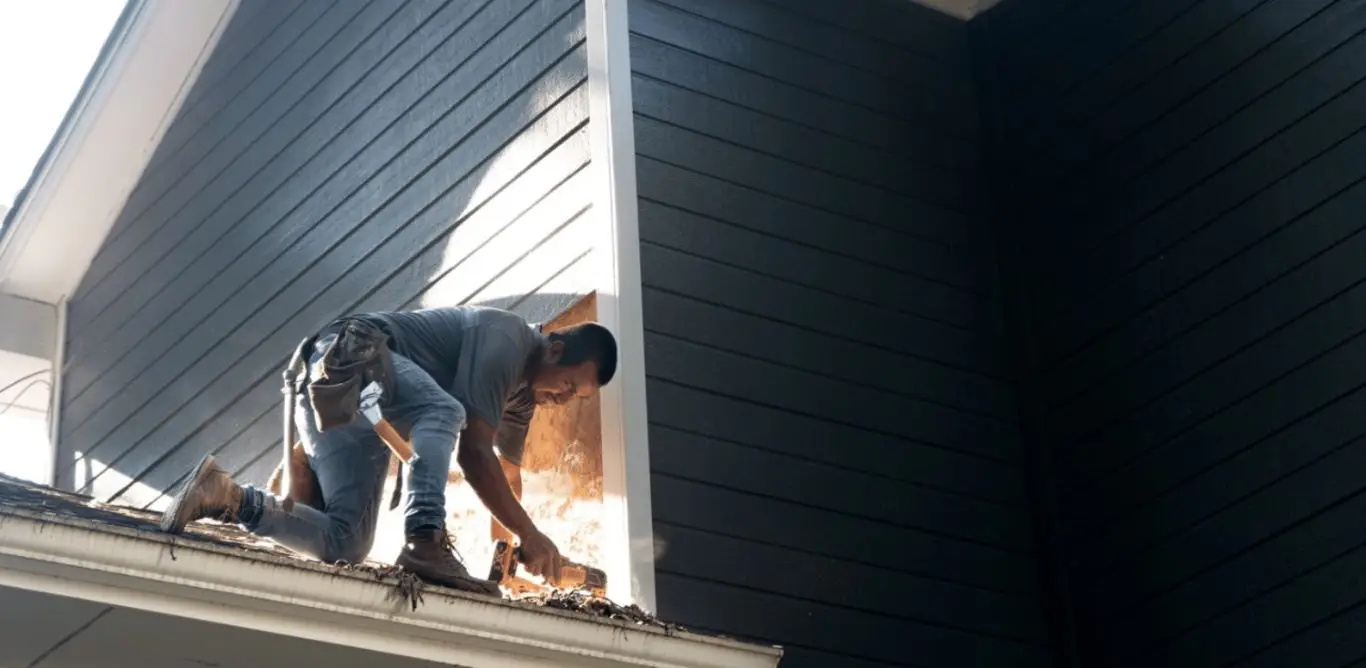
Well-maintained hardboard siding typically lasts 20 to 40 years; boards that stay wet or go unpainted fail much sooner. If you’re keeping your Masonite for now, these habits slow the damage:
| Your situation | What I recommend |
|---|---|
| A few soft boards on one wall, the rest is firm | Section repair with Hardie or LP, then repaint |
| Rot on several walls or along most bottom laps | Full siding replacement |
| Soft sheathing behind the siding | Replace that wall at minimum and check the others |
| Selling in the next 1–2 years | Replace the worst sides; home inspectors flag Masonite |
| Tight budget right now | Seal and paint, then replace one side at a time |
In my opinion, James Hardie fiber cement is one of the very best options for replacing Masonite siding. Here are the five I recommend most:
| Material | Rot resistance | Upkeep | Installed cost (US, 2026)* | Best for |
|---|---|---|---|---|
| James Hardie fiber cement | Excellent; doesn’t rot | Repaint every 10–15 years | $5–$14 / sq ft | Full replacement and 12″ smooth repairs |
| LP SmartSide | Very good; treated against rot and termites | Repaint periodically | $2–$10 / sq ft | Wood look at a lower cost |
| T1-11 plywood | Fair; depends on paint | Regular painting | Low | Matching Masonite panels |
| Cedar lap siding | Good with upkeep | Stain or paint regularly | $2–$15 / sq ft | Natural wood character |
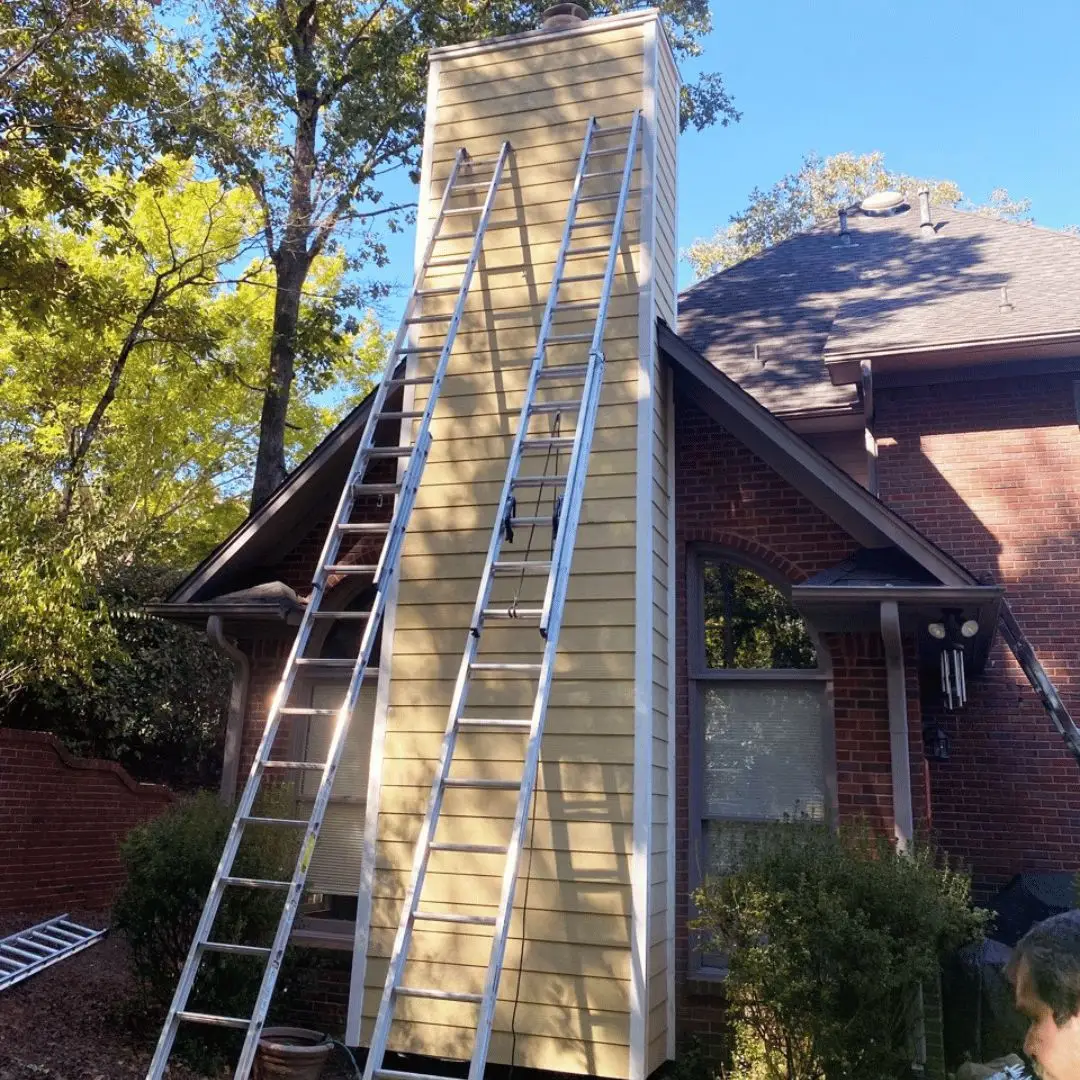
| Versetta Stone | Excellent | Minimal | Premium | Chimneys and accent walls |
*Ranges for materials and labor from Fixr, 2026; engineered wood and wood ranges cover the whole category.
Fiber cement is an excellent replacement for dated or rotten hardboard siding. It’s super durable, looks amazing, lasts a long time and comes with a great warranty. It’s made of cement, sand and cellulose fibers, the ideal combination to protect and beautify a home.
LP SmartSide is engineered wood treated to resist rot, fungal decay and termites. It’s lighter than fiber cement and usually costs less to install, so it suits homeowners who want a wood look on a tighter budget.
Cedar gives you real wood grain and natural rot resistance. It needs regular stain or paint to stay that way, so plan on upkeep.
For a wider look at materials, check out our guide to the 7 types of siding you should consider as a homeowner.
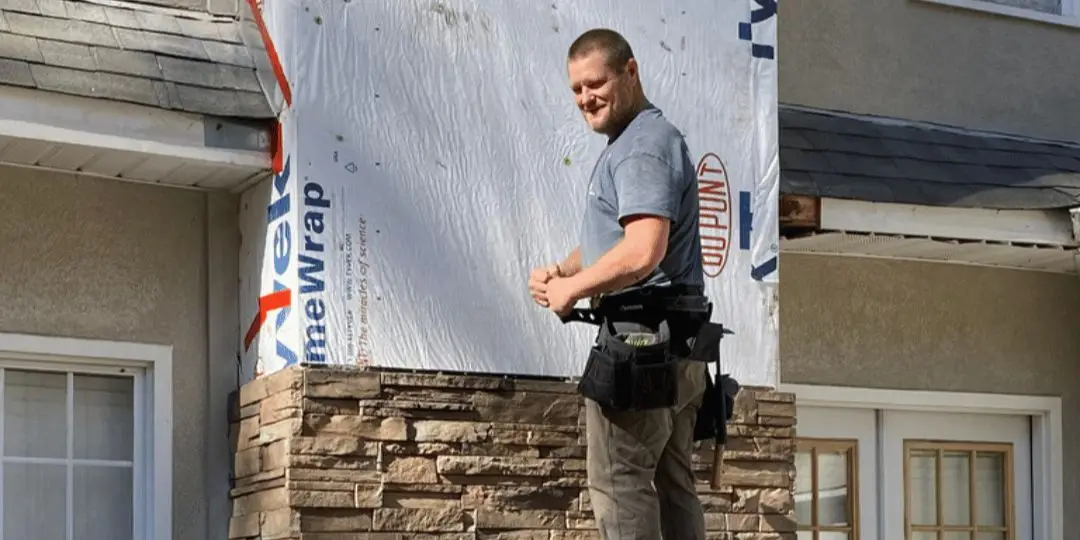
Home Repair Service is trusted by Versetta Stone as a preferred installer. We’ll make sure your home gets the care and attention it deserves. Find out more about us or call 205-858-1658 if you’re in need of a simple quote for your home exterior project
Replacing Masonite siding typically costs about $8,500 to $20,000 for a 2,000 sq ft home, with a national average near $14,500 (Fixr, 2026). Small Masonite repairs usually run $200 to $1,100 (HomeGuide). Removing and hauling away the old siding adds roughly $1,000 to $2,500.
What moves your price:
It depends on its condition. Masonite on its own isn’t a reason to walk away, but failing Masonite is a cost you should price into your offer. Before you buy:
No one. Masonite siding is totally discontinued; it hasn’t been sold since production ended in 2001, and all stock is sold out. Products sold today as “hardboard” are different and rarely match.
No. Masonite is made from wood fibers and resin, not asbestos. It’s often confused with asbestos-cement siding, a hard, brittle shingle that won’t dent under a knife. If you’re unsure, have a sample tested before cutting or removing it.
No. Masonite is wood-based hardboard that soaks up water and rots. HardiePlank is fiber cement made from cement, sand and cellulose fibers, and it doesn’t rot. They can look alike, especially 12″ smooth lap.
Most full replacements run about $8,500 to $20,000 for a 2,000 sq ft home, depending on material, wall height and hidden damage. Small section repairs often cost a few hundred to about a thousand dollars.
Yes, and it should be. Fresh paint and sealed edges slow down moisture damage. Paint won’t fix boards that are already soft or swollen; those need replacing.
You can’t find new Masonite siding anywhere. For repairs, use Hardie smooth lap to match 12″ smooth Masonite, or T1-11 plywood to match Masonite panels.
The collapse of the hardboard siding industry happened for a reason: Masonite and similar products failed to stand the test of time.
That said, I’ve seen firsthand that a lot of the damage comes from homeowners simply not keeping up with maintenance. If you have Masonite siding, you can’t afford to ignore it. Paint regularly, inspect often, and take care of water stains, cracks or damage right away. Don’t wait until the whole house is rotting. Whether that means staying on top of maintenance, saving for replacement or making a plan for the future, it’s better to be prepared than to deal with a disaster.
If you’re unsure of your next step and you live in the Birmingham, AL area, give us a call at 205-858-1658. We’ll help you figure out the best solution for your home.
Masonite siding is discontinued, and patch jobs just don’t hold up. If your siding is swelling, rotting or falling apart, it’s time for a real solution. Home Repair Service specializes in Masonite siding replacement, whether you need one section at a time or the whole house re-sided. We’ll help you choose the best material for durability and curb appeal, so you never have to deal with Masonite’s headaches again.
We serve Birmingham, Hoover, Pelham and nearby cities.
Masonite siding can give your home a great look, but over time, it may need repairs or replacement due to moisture damage and wear. We specialize in restoring and upgrading Masonite siding to keep your home protected and looking its best. Check out our siding services below to see if we’re the right fit for your project!